Quick answer
Dental practices borrow for chairs, imaging, intraoral scanners and CAD/CAM units, surgery fit-outs, buying into or out of a practice and covering the ramp-up while a new dentist builds a book. Lenders see dentistry as steady, registered work but check who generates the billings, patient-book strength, fit-out costs and existing equipment finance. Strong billings support unsecured options; purchases often use property security.
Key points
- Lenders want to know which dentist produces which billings.
- A practice that depends on one departing dentist is a risk to manage.
- Fit-outs are expensive and tied to the lease — term matters.
- Stacked equipment finance can quietly squeeze cash flow.
- Common uses
- Chairs, imaging, fit-outs, buy-ins
- Lenders focus on
- Billings, patient book, lease
- Unsecured options
- Typically $5k – $500k
- Property-secured
- $20k – $5m
Dental practices sit near the top of most lenders’ comfort lists. Demand is steady, practitioners are registered and patients return every six to twelve months. That doesn’t mean every dental loan is automatic. A practice is only as strong as the people generating its billings, and fit-outs and equipment are expensive. Here’s how lenders look at a dental surgery and how to make an application straightforward.
What do dental practices usually borrow for?
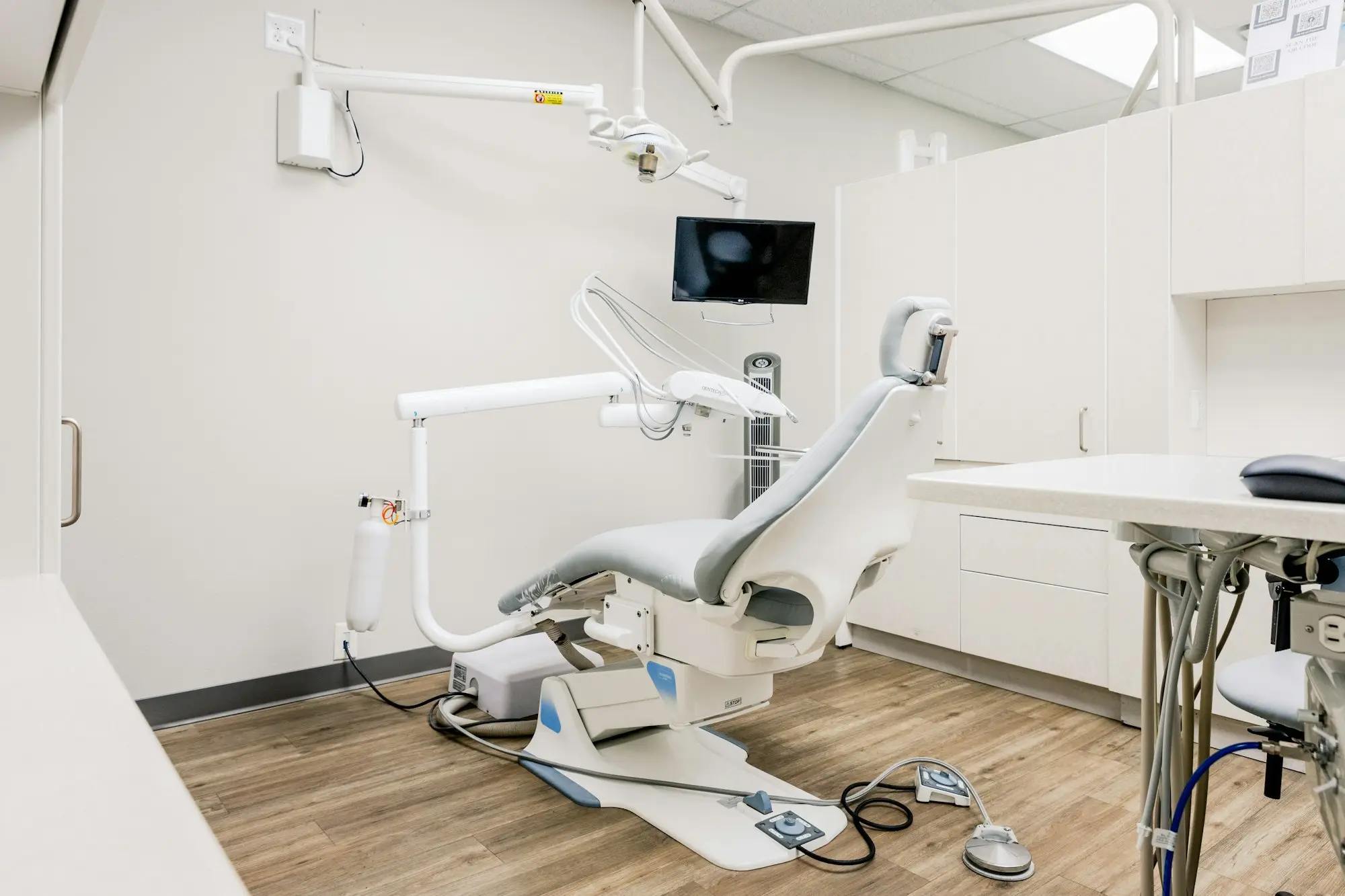
- Clinical equipment. Chairs, OPG and cone-beam imaging, intraoral scanners, CAD/CAM milling units, sterilisation equipment.
- Surgery fit-outs. Adding a third or fourth surgery, refreshing reception, or building a new practice from a shell.
- Buying a practice. Goodwill, equipment and patient records from a retiring or relocating dentist.
- Buy-ins and buy-outs. An associate buying a share, or partners separating.
- Ramp-up costs. Wages and rent while a new dentist or a new location builds its patient book.
How do lenders look at a dental practice?
Who generates the billings? A lender wants to know how production splits across dentists, hygienists and therapists. If one principal generates most of the income, the practice depends on them staying healthy and present. If a departing dentist takes a large share, that’s a transition risk to plan for.
Patient book and recalls. Active patient numbers, new patients per month and recall rates show whether the book is growing, stable or shrinking.
Benchmarks. The ATO publishes small business benchmarks for general dental surgeons and for dental specialists. A lender won’t use them as a test, but costs well outside the typical range invite questions.
Registration. Every practitioner must be registered with the Dental Board of Australia through Ahpra. It’s a quiet check, but an essential one.
Fit-out and lease. Dental fit-outs are specialised and costly to move. A lease with plenty of time and options remaining is important.
Existing finance. Many practices have several equipment leases with different providers. A lender will add them all up.
If that picture looks healthy for your practice, see if your practice qualifies — a 60-second enquiry with no credit check.
A closer look: buying a dental practice
Practice purchases are where dental finance gets most interesting. The price usually bundles three things: goodwill, equipment and the patient records that come with the practice. Lenders are comfortable with equipment they can see and value. Goodwill is harder, because it only exists if patients keep coming once the seller leaves.
That’s why a lender will want to understand how the transition will work. Will the selling dentist stay on for a period, introduce you to long-standing patients and keep working a few days a week? Are the hygienists and reception staff staying? Is the lease being assigned on the same terms, with enough time left to justify the price? What does the recall list look like, and how many patients have visited in the last eighteen months?
Buyers who can answer those questions — ideally with a signed transition agreement — tend to get better outcomes. When the purchase price is large relative to the practice’s billings, property security usually bridges the gap between what trading alone supports and what the seller is asking.
Documents to have ready
| Document | Why it matters |
|---|---|
| Business bank statements | Actual receipts from patients and health funds |
| Practice management reports | Production by practitioner, patient numbers, recalls |
| Ahpra registration details | Confirms practitioners can practise |
| Lease | Security of the site |
| Equipment quotes and existing finance schedule | Purpose and current commitments |
Red flags that slow a dental loan
- Billings tied to one departing dentist without a transition plan.
- Fit-out budgets blowing out, particularly for new-build practices.
- Heavy existing equipment finance from several providers.
- A short lease on a fully fitted surgery.
- Falling new patient numbers without a clear reason.
Questions a lender will ask a dentist
- How are billings split across practitioners?
- How many active patients do you have, and what’s the recall rate?
- What will the new equipment or surgery add in capacity?
- How long is left on the lease?
- For purchases: how long will the selling dentist stay to hand over?
How to strengthen a dental application
Run a production report by practitioner for the last twelve months and a patient-numbers summary; both usually take minutes from practice software. Get written quotes for equipment and fit-outs, ideally with a contingency. List every existing lease and loan in one place. For purchases, ask the vendor for three years of financials and a transition agreement. These few documents often answer most of a lender’s questions before they’re asked.
Illustrative scenarios
Illustrative: third surgery and a scanner. A two-chair practice has a waitlist for new patients. The principal wants $95k to fit out a third surgery and add an intraoral scanner. Consistent billings over two years support an unsecured facility sized on turnover.
Illustrative: buying out a retiring partner. An associate dentist is offered the chance to buy a retiring principal’s share for $450k. The practice is strong, but the amount is beyond unsecured lending. A second mortgage over the associate’s home funds the purchase, with a staged handover of patients over six months.
Secured or unsecured for a dental practice?
Equipment and fit-outs often suit unsecured lending of $5k to $500k, sized on turnover and bank statements. Practice purchases and buy-ins usually go further with property security from $20k to $5m. Our guide to specialised equipment as security explains how dental gear is valued. If you run a multidisciplinary clinic, compare the physiotherapy and medical centre guides.
Is your practice ready for its next step?
Dentists are busy, so the first step is short: a 60-second enquiry, no credit check at that stage, and no parade of lenders calling your front desk. A real person who understands billings and fit-outs reads your enquiry and calls you. Please be accurate about turnover, the amount and any property, so the first option you hear about is the right one.
Frequently asked questions
Can a dentist get a practice loan without property?
Often, yes. A practice with consistent billings can look at unsecured options sized on turnover and bank statements. Buying a practice or a large fit-out usually goes further with property security.
How do lenders assess a dental practice purchase?
They look at the practice's billings history, patient numbers and recall rates, the lease, the equipment's age and how the selling dentist's patients will transition to you. Your own registration and experience matter too.
Do I need AHPRA registration details for a loan?
It helps to have them ready. Registration confirms the practitioner can practise, which underpins the practice's income.
Should I finance or buy dental equipment outright?
It depends on cash flow and tax position. Many practices finance larger items such as scanners and imaging so cash stays available for wages and consumables. Talk to your accountant about the tax treatment.
Can associate dentists borrow to buy in?
Yes. Buy-ins are common. Lenders look at your billings as an associate, the practice's performance and the terms of the buy-in agreement.